Go

Fulfilling the Great Commission by equipping and sending the local church to tell people about Jesus.

Missions Opportunities in Our Community and Beyond

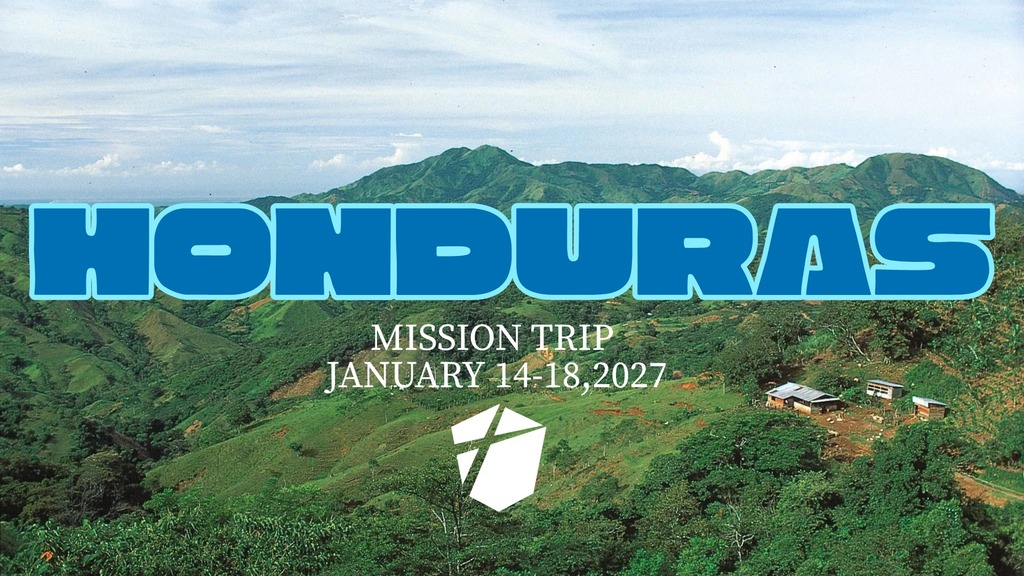
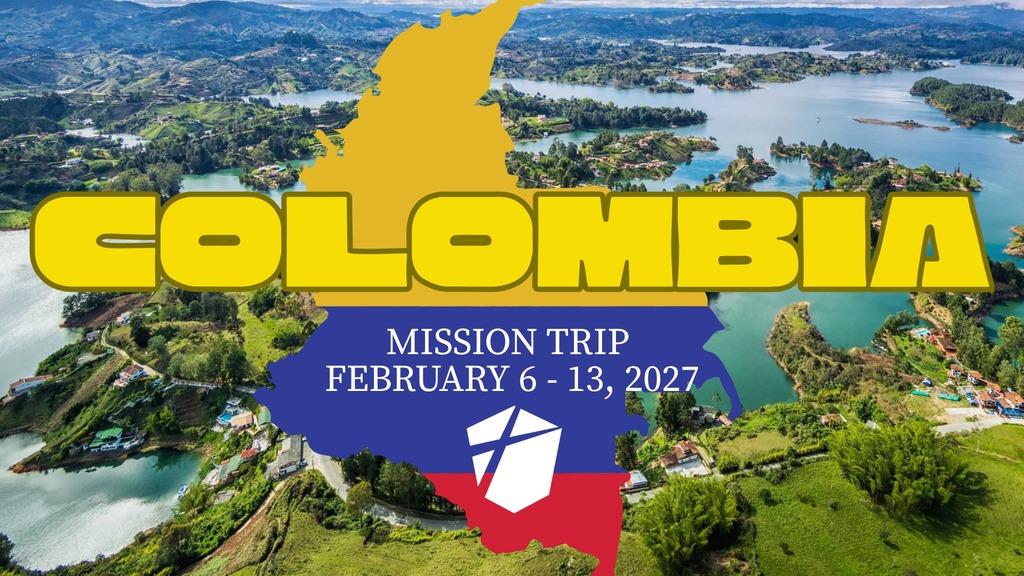
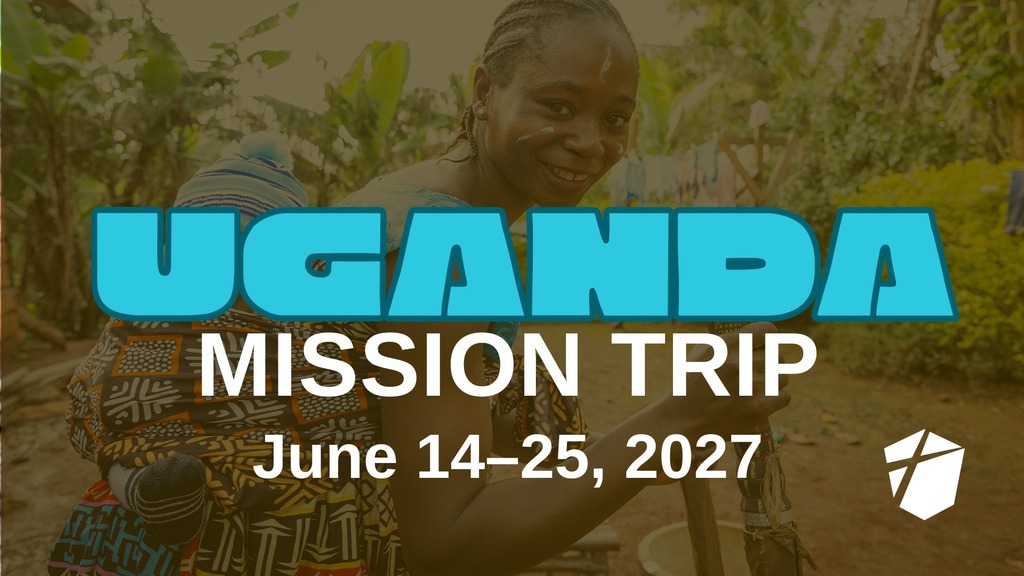
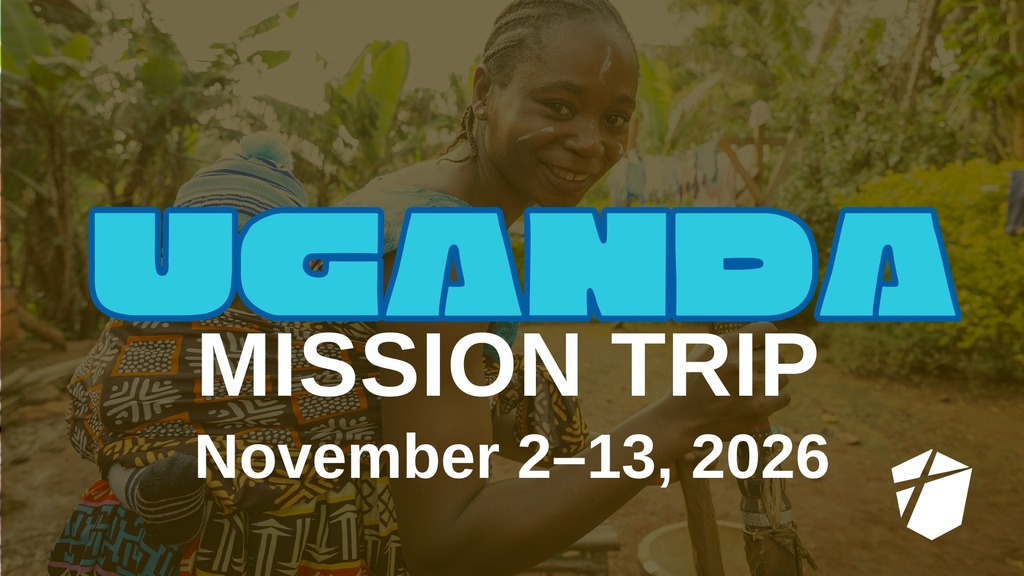
From St. Tammany Parish to global communities, First Baptist Church Covington offers diverse opportunities to serve on mission locally, nationally, and internationally.

Upcoming Events

Go On Mission at FBC Covington

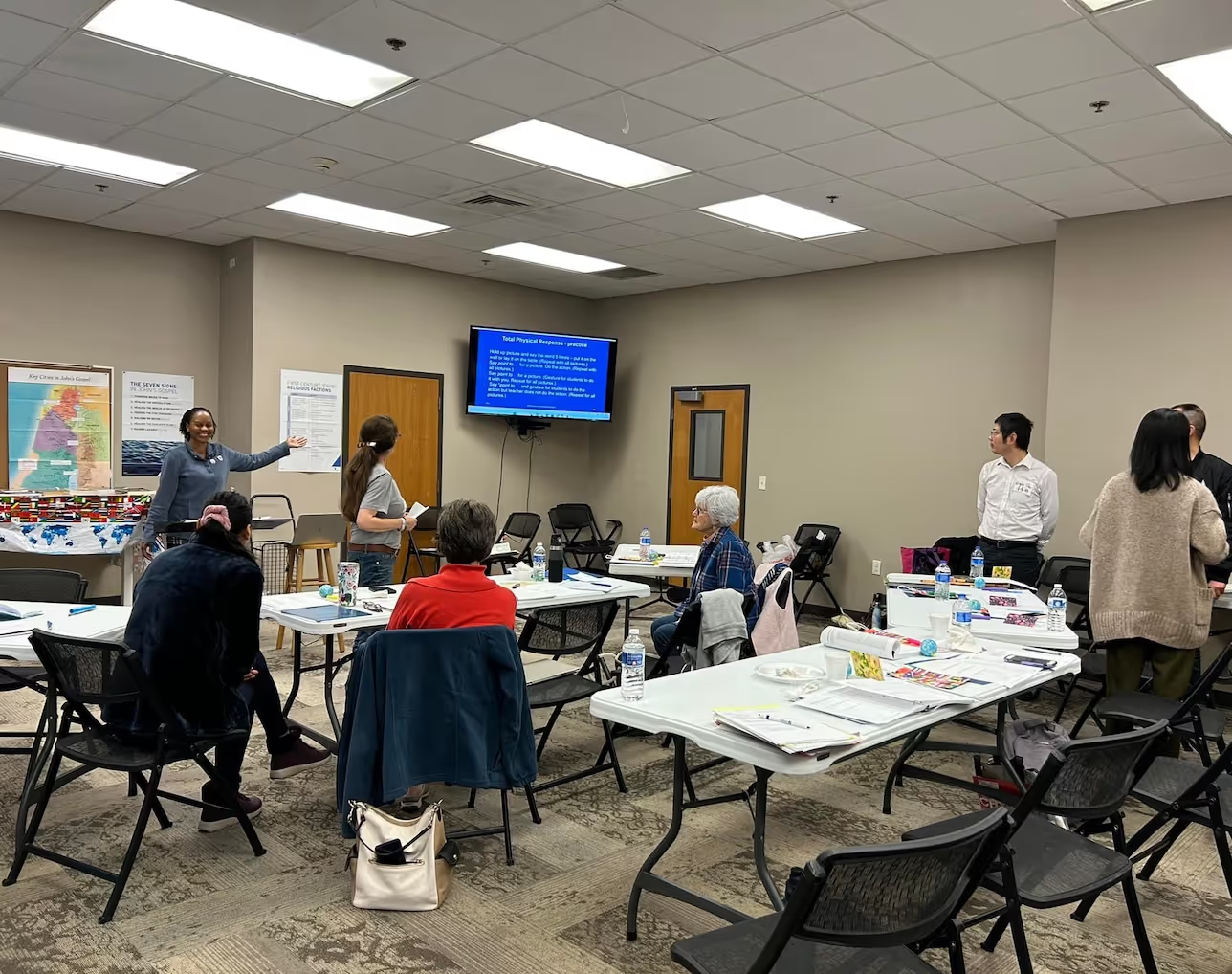
Classroom workshop with presenter pointing to screen and participants seated

ESL at FBC Covington

Helping non-native English speakers in our community integrate by teaching them conversational and survival English and, ultimately, the love of Christ.
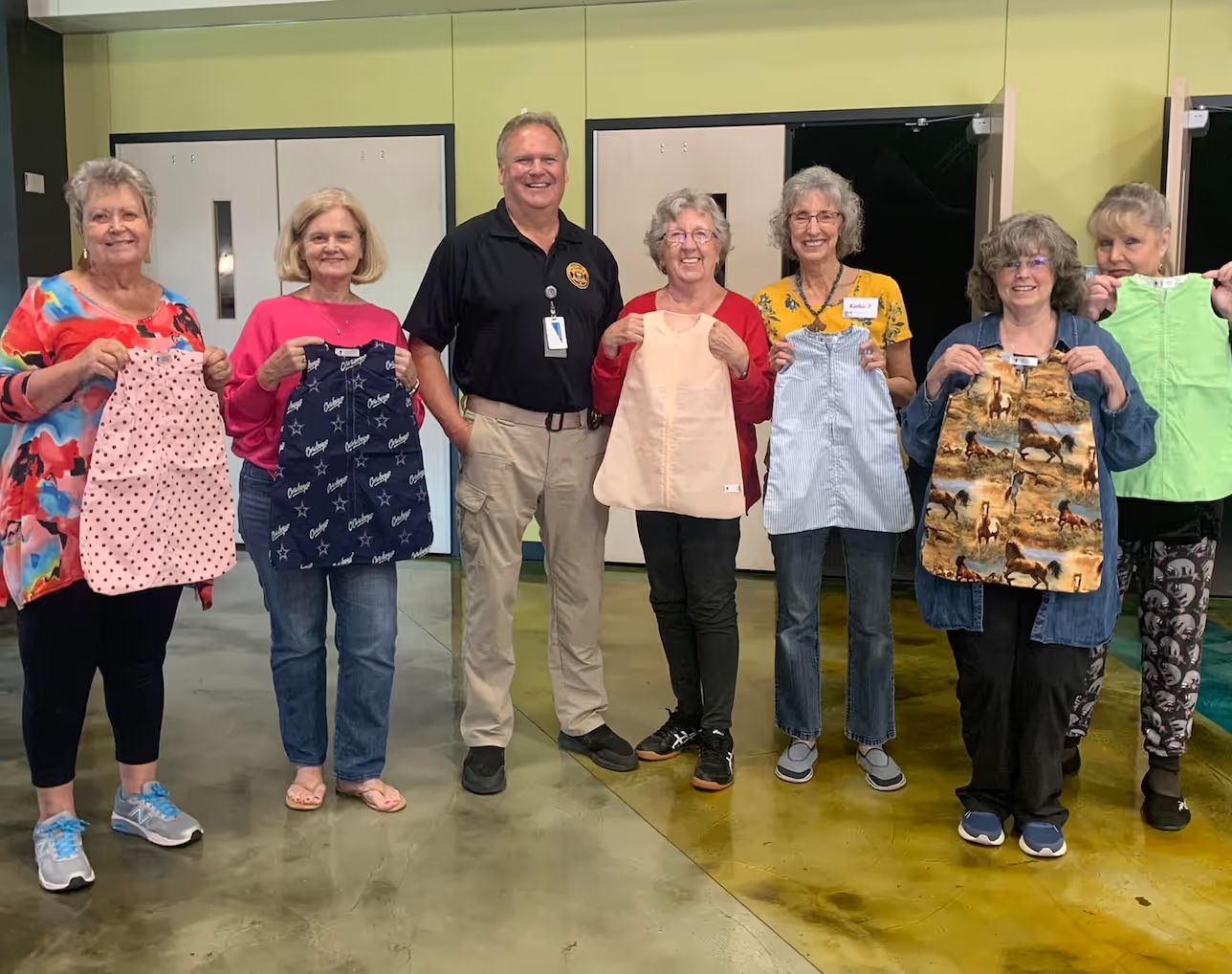
Group of seniors holding handmade aprons at community craft workshop

Sewing & Crafting Servants

Join the Sewing & Crafting Servants, a group of mission-driven women creating items for local and global relief aid ministries. All ladies are welcome to participate on Mondays (9:00 AM–2:00 PM) or Tuesdays (9:30 AM–1:00 PM) in the REACH Building. Contact Barb Kellar at (985) 630-3812 for details.
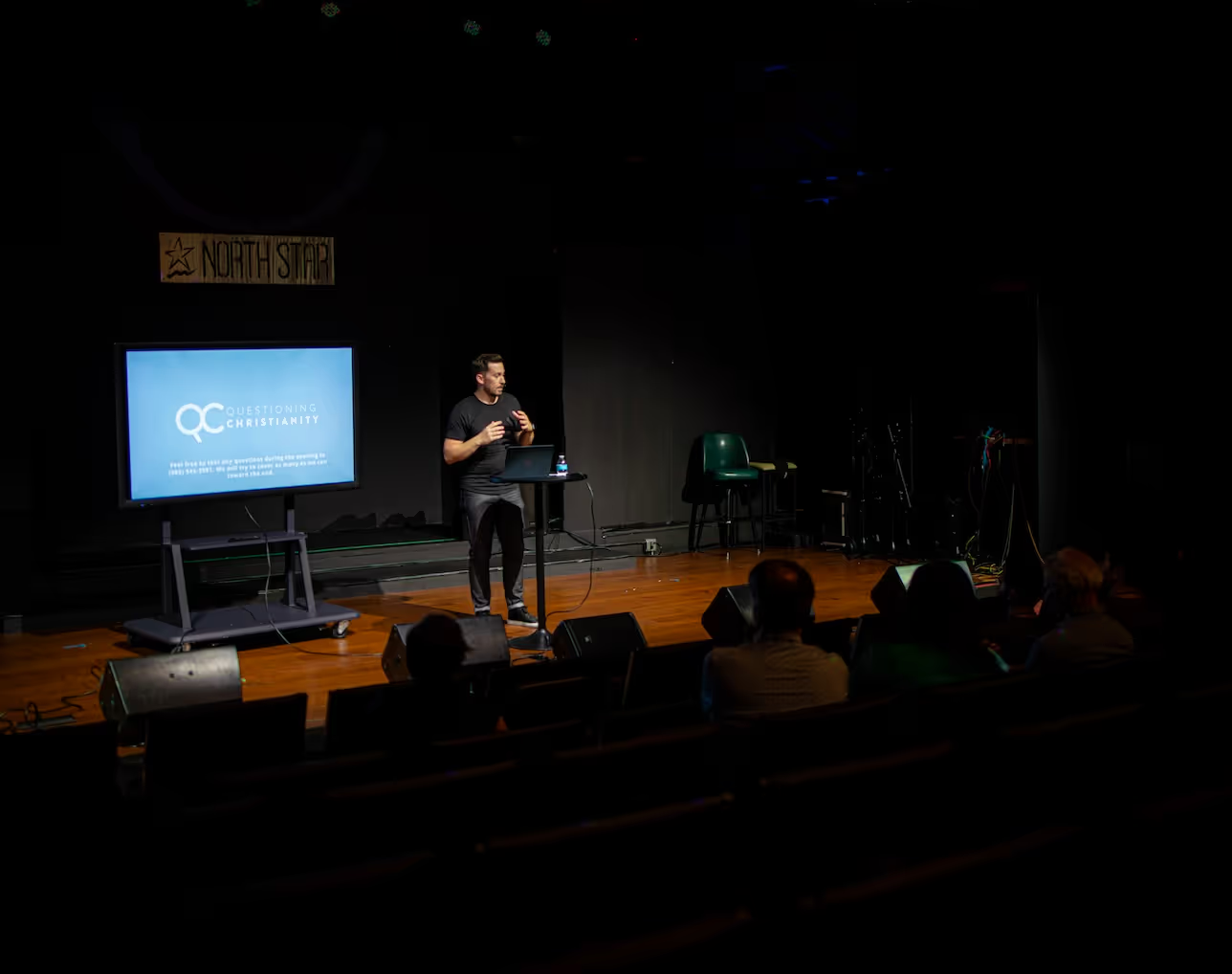
Speaker presenting QC Christianity talk on stage at North Star venue

Church Planting with FBC

FBC Covington is thankful to be the sending church for Restoration Community Church in Mandeville, LA in partnership with the North American Mission Board (NAMB). Be sure to check out our events calendar or reach out to us through the Contact page for any opportunities to serve either short term or long term with this church planting opportunity.
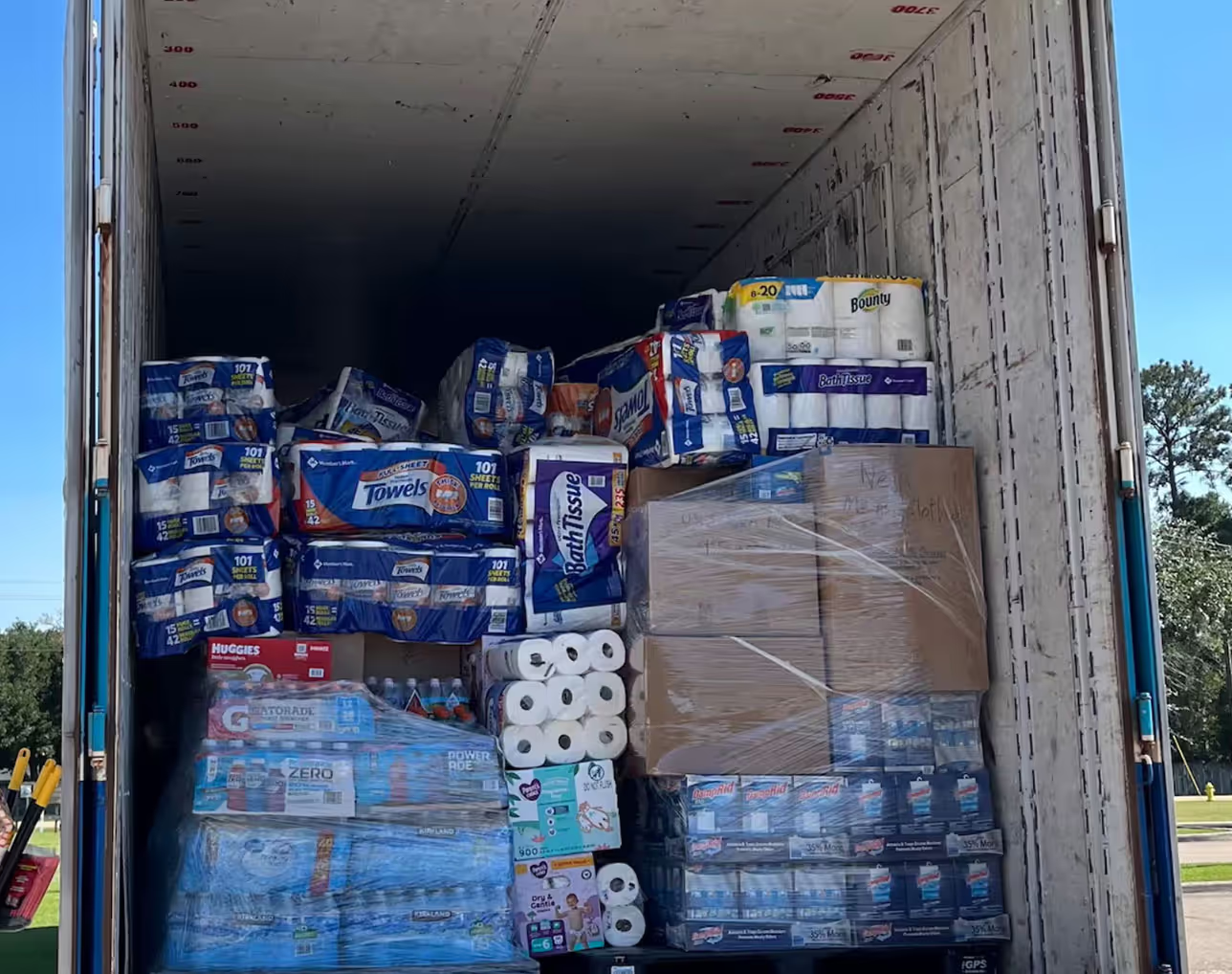
Truck loaded with paper products, paper towels, and cleaning supplies

Disaster Relief

When natural disaster strikes, whether locally or somewhere else in the US, be ready to respond and bring hope to damaged communities. To get started with one of our Disaster Relief teams at First Baptist Church Covington, please fill out our Serve form.

Go On Mission with Our Ministry Partners

Indian national flag with saffron, white, and green horizontal stripes
Colombian national flag with yellow, blue, and red horizontal stripes
Uganda flag with a crowned crane in white circle on red, black, and yellow
The Samaritan Center Food Bank logo in green cursive text
Northlake Crisis Pregnancy Center logo on teal and yellow background
James Samaritan logo with white text on black circular background
Anchor logo with heart, representing hope and endurance from Hebrews 6:19
Silhouette of trumpet player with colorful design for Giving Hope Retreat
Silhouette of person with colorful swirling background, Lynhaven Retreat logo
The English as a Second Language logo with global flags inside the ESL letters
Sewing & Crafting Servants logo in blue with FBC Covington
The Restoration Community Church in Mandeville logo
Cross Healing Ministries logo with dove, cross, and clasped hands
Hope Shine Uganda logo with sun, leaf, and roots in blue tones
African Hearts Uganda logo with sun and interconnected people in red circle
RedilBelen Christian Church logo on dark green background
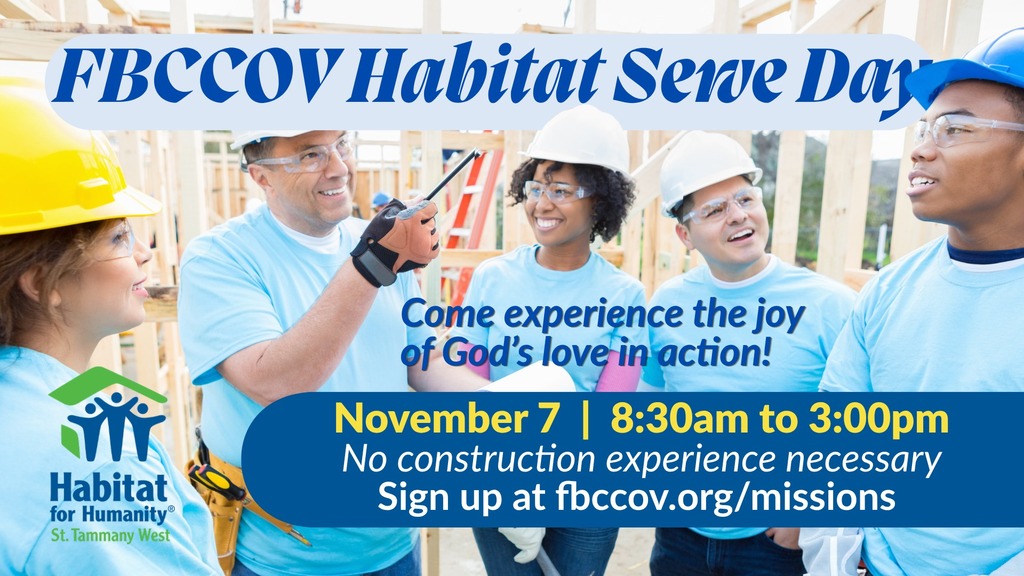
The Habitat for Humanity St. Tammany West logo in blue and green with an icon of three people raising their hands under the outline of a roof.
Send Network logo with stylized blue and navy chevron design
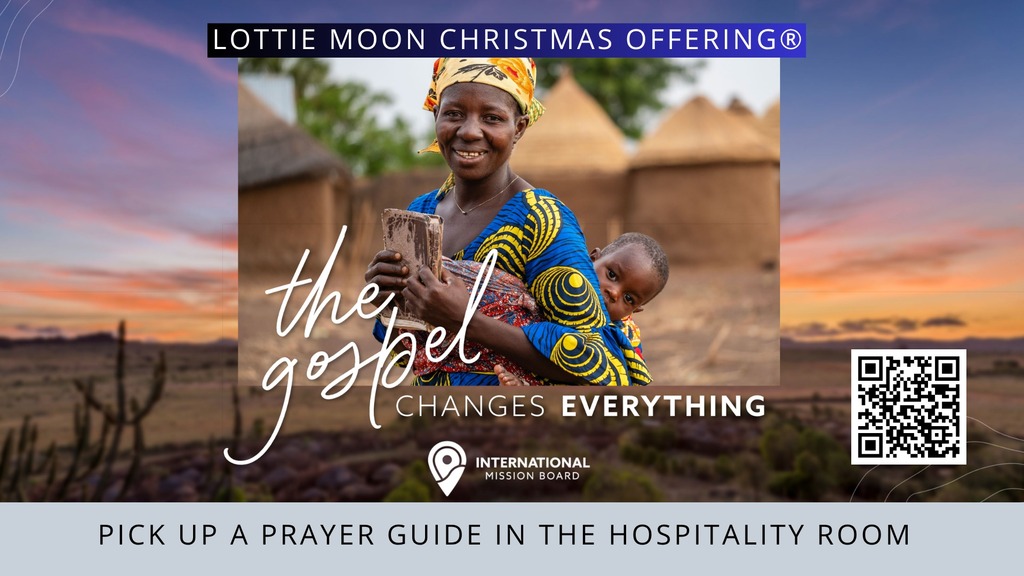
International Mission Board logo with stylized location pin in navy blue

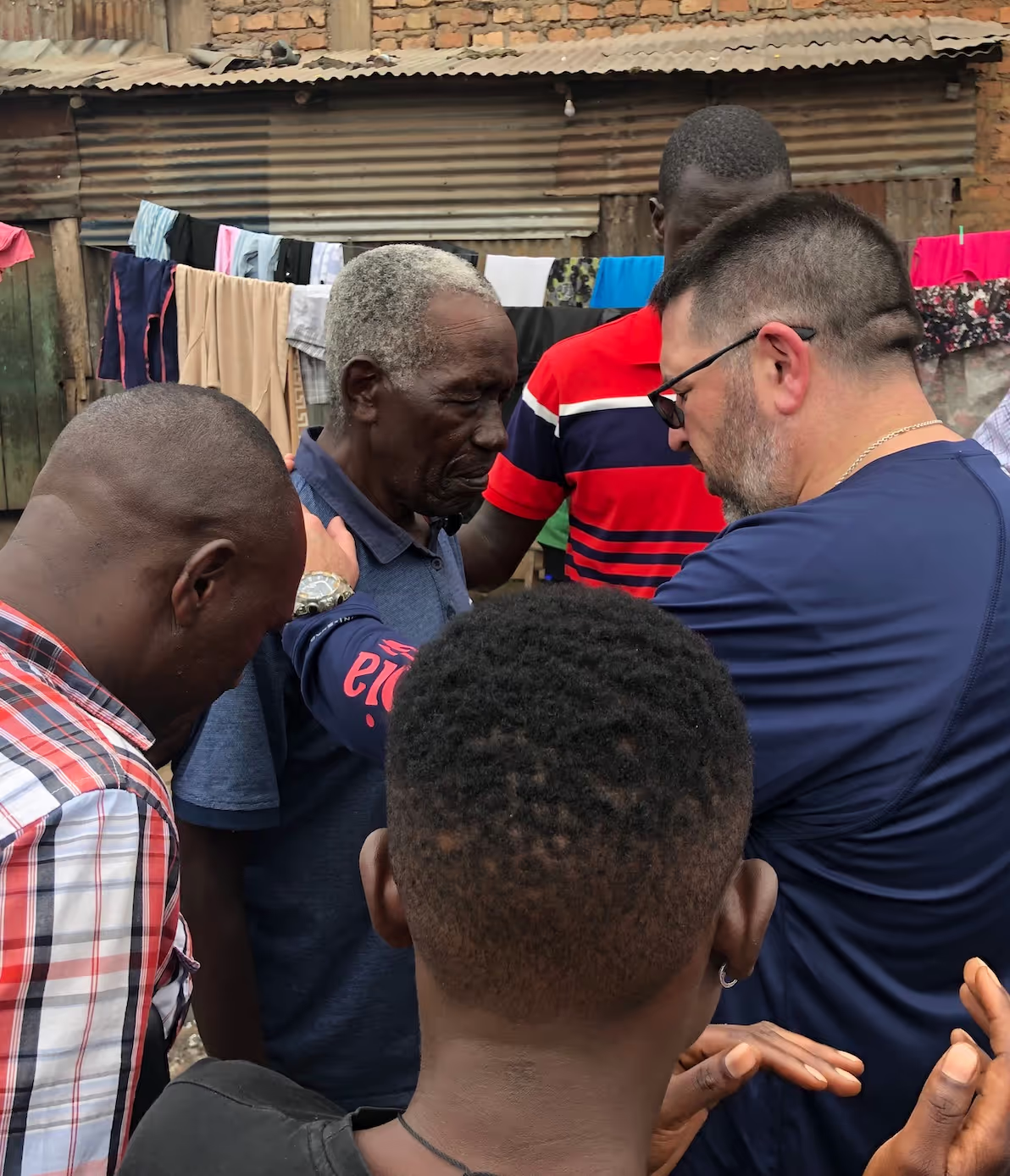
Stories of Hope from the Mission Field

FAQs

Who should go on an international short-term mission trip?

A believer in Jesus Christ who feels called to serve others and share the gospel can participate in a short-term mission trip.

Essential qualities

  • A servant's heart and a desire to serve are paramount.
  • Humility and a willingness to learn from the local community are important traits.
  • Flexibility and adaptability are necessary to navigate challenges and unexpected situations.
  • A strong sense of calling and faith in God's plan is crucial.

Additional qualities

  • Strong Faith: Believe in the gospel and be passionate about sharing it.
  • Patience and Adaptability: Adjust to different cultures and unexpected situations with a positive attitude.
  • Sense of Humor: Be able to laugh at yourself and with others, even when faced with difficulties.
  • Learner's Attitude: Seek to learn from locals and avoid judgmental attitudes.

Practical considerations

  • Age: While age consideration will vary by trip, in general, for most trips, participants should be 18 years of age or older. Exceptions are teenagers with parents as part of the team and trips planned specifically to take younger people as participants. Some organizations may have specific age requirements and adult-to-youth ratios for supervision.
  • Health:Participants should be in good physical, mental, and spiritual health and able to handle the trip's physical demands.
  • Financial: The cost of each trip is the responsibility of the individual participant.
  • Background Checks: Background checks are typically required for participants 18 and older, especially when working with minors.

Ultimately, prayerfully consider if a short-term mission trip aligns with your personal calling and if you possess the necessary qualities to contribute positively to the mission. Discussing your intentions with church leaders, pastors, or experienced missionaries can also provide valuable guidance and insight.

What types of documents do I need to have to travel internationally?

To travel internationally, you generally need the following documents, though requirements vary by country and your citizenship:

  • Passport: A valid passport is essential for international travel. Ensure it’s not expired and has at least 6 months validity beyond your planned return date, as many countries require this.
  • Visa: Depending on our destination, nationality, and purpose you may need a visa. You will be provided with all necessary information once joining the team in how to obtain your visa. Like your passport, a visa is issued to an individual and not a group, so each person will apply individually when a visa is required.
Do I need to have any immunizations to travel abroad?

Immunization requirements vary by country. You will be informed on the immunization requirements of any country we visit.

What areas of training can I participate in to work with Disaster Relief?

Southern Baptist Disaster Relief (SBDR) offers a variety of training areas for volunteers to prepare for disaster response. Based on information from various state Baptist conventions and SBDR-related sources, here are the main training areas you can participate in:

  • Introduction to Disaster Relief (DRI):
    • A mandatory course for all first-time volunteers and those needing recertification (every 3–5 years, depending on the state). It provides an overview of SBDR operations, Biblical foundations, and protocols for disaster response.
  • Mass Feeding:
    • Training for preparing and distributing meals to disaster survivors, first responders, and volunteers. Volunteers learn to operate mobile kitchen units or work in church kitchens to provide meals at disaster recovery centers or shelters.
  • Cleanup and Recovery:
    • Covers debris removal (e.g., trees, limbs, brush) after hurricanes, tornadoes, or wildfires, and flood recovery tasks like mud-out (removing water-damaged materials, sanitizing homes to prevent mold). Includes chainsaw operation and safety training.
  • Assessment:
    • Trains volunteers to survey disaster-affected areas, assess damage to homes, and prioritize recovery tasks. Often requires prior training in recovery or other areas and may need leadership approval.
  • Chaplaincy:
    • Prepares volunteers to provide spiritual and emotional support to survivors, including counseling, encouragement, and sharing the Gospel. May require prior disaster relief experience and additional training.
  • Shower and Laundry:
    • Focuses on operating mobile shower and laundry units to support survivors and volunteers. Training includes managing private shower trailers, washing machines, and logistics.
  • Communications:
    • Teaches volunteers to provide emergency communication support using HAM radio, satellite systems, or IT networking. Ideal for those with technical or radio expertise.
  • Incident Management Team (IMT):
    • Trains volunteers to coordinate disaster response operations, including logistics, administration, and planning. Often requires prior disaster relief experience and familiarity with FEMA’s Incident Command System.
  • Heavy Equipment Operation:
    • Focuses on safe operation of heavy machinery for cleanup and recovery, emphasizing safety protocols during deployments.

Our Staff

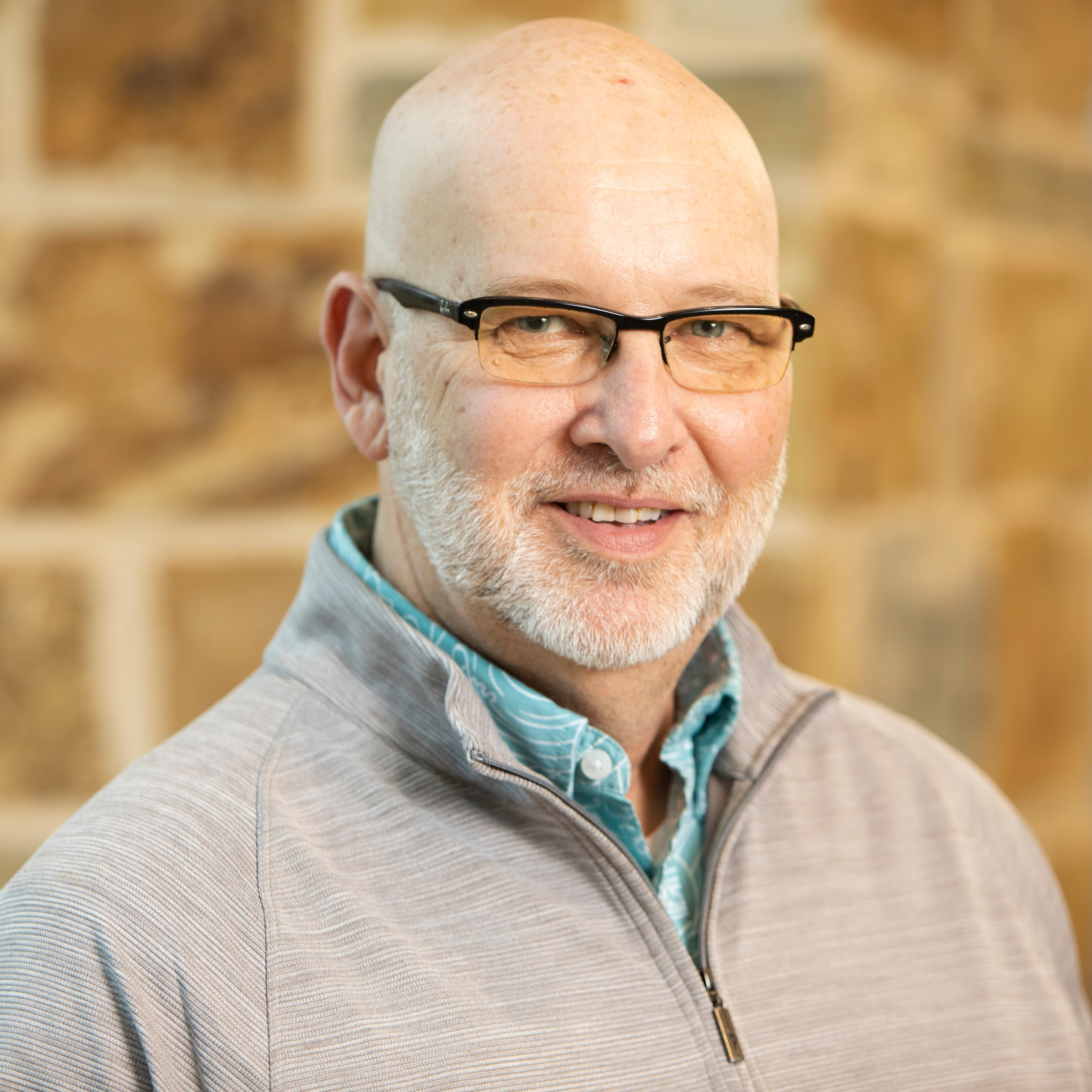
Glynn Robinson

Missions and Evangelism Pastor

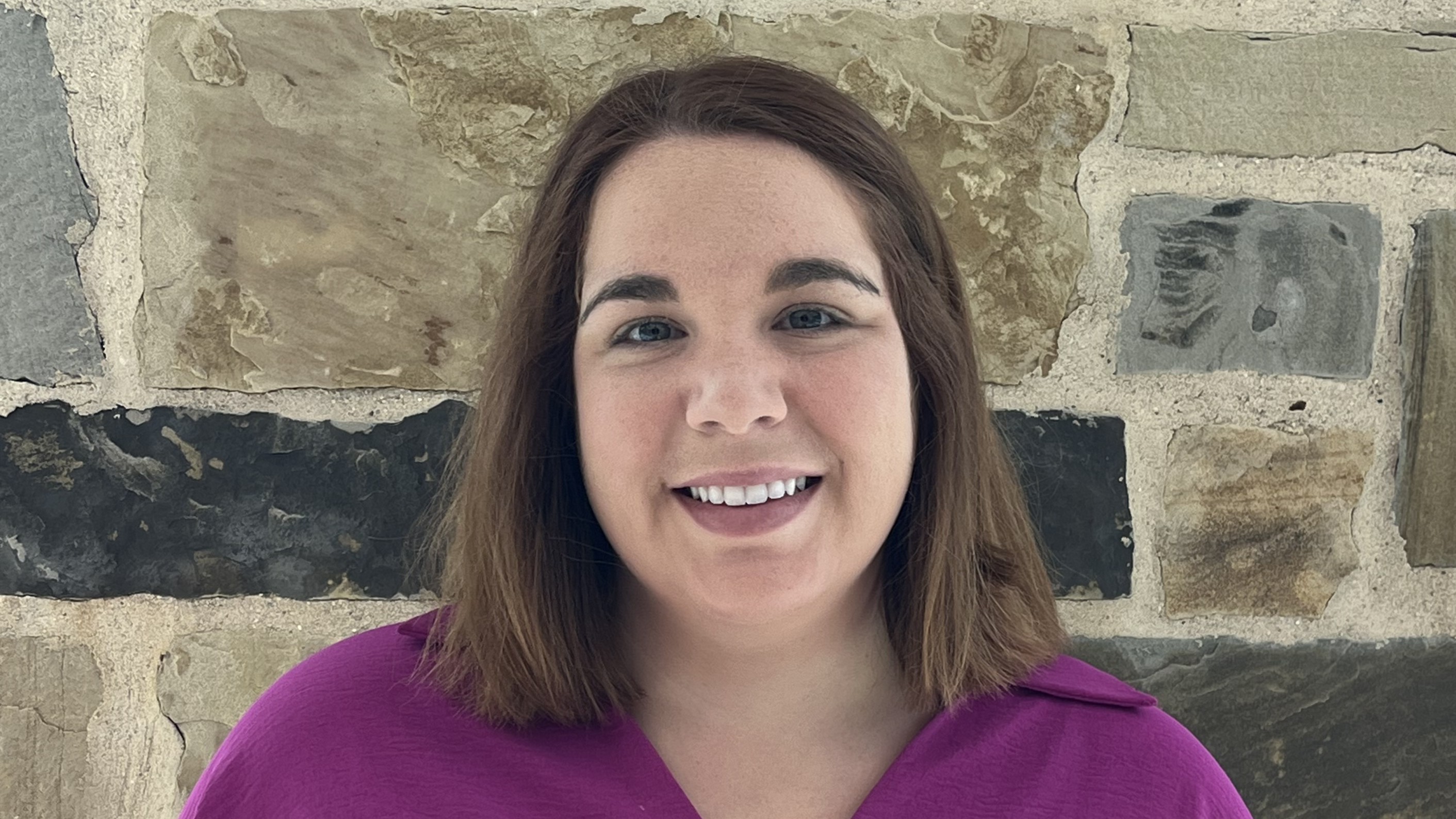
Rebecca Fleming

Missions and Evangelism Assistant
Do you have a heart for sharing the love of Jesus, either locally or globally? We would love to help you find your next step.